


The historical evolution of gambling How chicken road shaped the game's landscape
The historical evolution of gambling How chicken road shaped the game's landscape
The Origins of Gambling
The history of gambling dates back thousands of years, with evidence found in ancient civilizations such as China, Egypt, and Rome. The earliest forms of gambling involved simple games of chance, often using dice or betting on events. These rudimentary activities laid the groundwork for more complex games and betting systems that would evolve over time. In these societies, gambling was not only a source of entertainment but also a means of social interaction and cultural expression. Over time, the appeal of establishments like chicken road 2 further enhanced this experience for many.
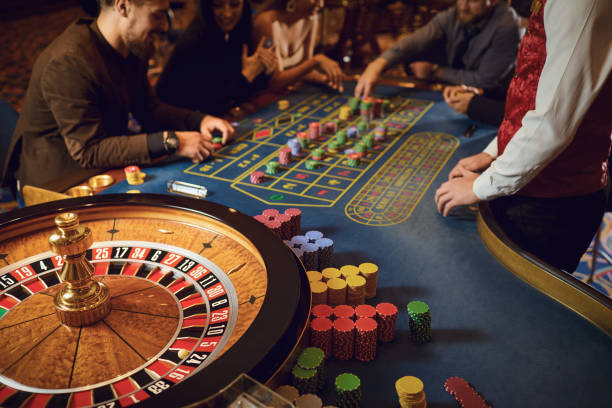
As civilizations progressed, so did the sophistication of gambling practices. The invention of playing cards in the 9th century in China marked a significant milestone. This innovation led to various card games, which spread throughout Asia and eventually made their way to Europe. In Europe, the establishment of casinos in the 17th century transformed gambling from informal gatherings into structured environments where people could engage in various games. These developments set the stage for the gambling landscape we recognize today.
Gambling has always had a dual nature, reflecting both risk and reward. While some view it as a pastime, others see it as a vice leading to social problems. Despite its controversial aspects, gambling continued to evolve, becoming an integral part of many cultures. Understanding the origins of gambling is essential to grasp the complexity of its modern manifestations, including how certain regions, like Chicken Road, have influenced this trajectory.
The Rise of Chicken Road
Chicken Road emerged as a significant hub in the evolution of gambling, particularly during the 20th century. Originally a bustling trading route, it began to attract gamblers seeking excitement and fortune. The area quickly gained a reputation for its vibrant atmosphere and numerous establishments catering to gamblers, from small betting shops to larger casinos. This transformation marked Chicken Road as a key player in the gambling landscape, drawing tourists and locals alike.
The cultural significance of Chicken Road cannot be overstated. It became a melting pot of various gambling traditions, with influences from different regions converging to create a unique betting experience. The integration of local games with international classics allowed Chicken Road to foster a diverse gambling environment. This cultural exchange not only enriched the gambling scene but also contributed to the development of innovative games that appealed to a broader audience.
Over the decades, Chicken Road has continued to evolve, adapting to the changing preferences of gamblers. The rise of technology has also played a crucial role in shaping its landscape. Online platforms and mobile apps have revolutionized how people engage with gambling, providing accessibility and convenience. Despite these advancements, Chicken Road maintains its charm and allure, representing the enduring legacy of traditional gambling practices.
Celebrity Gambling Stories
Celebrity involvement in gambling has added a fascinating dimension to its history. High-profile figures often take center stage, making headlines for their extravagant bets and unforgettable stories. From actors to sports stars, many have embraced gambling as a source of entertainment and excitement. These narratives not only captivate the public but also contribute to the glamorization of gambling culture.
One notable figure is Ben Affleck, who has made headlines for his impressive poker skills. His passion for the game has led to both wins and losses, drawing attention to the challenges and triumphs that accompany gambling. Similarly, celebrities like Michael Jordan and Paris Hilton have openly embraced gambling, further fueling interest among fans. Their stories add a layer of intrigue, showcasing how gambling intersects with fame and fortune.
However, celebrity gambling stories also serve as cautionary tales. High-stakes gambling can lead to significant financial repercussions, highlighting the risks associated with the practice. The allure of quick wealth can sometimes overshadow the potential downsides, reminding both celebrities and the public of the importance of responsible gambling. These narratives contribute to a broader conversation about gambling ethics and the impact of celebrity culture on public perception.
The Modern Gambling Landscape
Today’s gambling environment is vastly different from its historical roots, driven by technological advancements and changing societal attitudes. The rise of online casinos and mobile gaming has made gambling more accessible than ever. Players can now enjoy their favorite games from the comfort of their homes, leading to an explosion of online platforms catering to various preferences. This shift has not only expanded the audience but has also transformed the revenue models for casinos.
In addition to online platforms, the integration of virtual reality and augmented reality in gambling experiences has redefined player engagement. These technologies offer immersive experiences, bridging the gap between traditional and modern gaming. Gamblers can now interact with their environment in ways previously unimaginable, enhancing the overall experience. This evolution reflects broader trends in entertainment and technology, signaling that the gambling landscape will continue to change.
Moreover, the conversation around responsible gambling has gained traction. Many jurisdictions are implementing measures to promote safe gambling practices, providing resources for those who may develop issues. This focus on sustainability ensures that the industry can thrive while also protecting players. Understanding the modern landscape of gambling is crucial for both operators and players, ensuring that the thrill of the game remains a positive experience.

A Look Ahead
The future of gambling is poised for continued evolution, driven by ongoing technological advancements and changing consumer behaviors. As more people turn to digital platforms, the gambling industry will likely see further innovation in game design and user experience. The trend toward personalization will enable players to enjoy tailored experiences, making gambling more engaging and satisfying. Additionally, advancements in artificial intelligence may provide deeper insights into player preferences, enhancing the overall gaming experience.
Moreover, the ongoing legalization of gambling in various regions may alter the landscape significantly. As new markets open, operators will have to adapt their strategies to meet diverse regulatory environments and cultural attitudes. This process will likely lead to the emergence of unique gambling experiences that reflect local customs and traditions. The industry will continue to navigate these complexities while striving to provide safe and enjoyable environments for players.
In conclusion, the historical evolution of gambling, particularly through the lens of Chicken Road 2, demonstrates how cultural, technological, and social factors intertwine to shape this dynamic industry. Understanding this history not only enriches our appreciation of gambling but also prepares us for the exciting developments that lie ahead. As we look to the future, embracing responsible practices will be key to ensuring that gambling remains a vibrant and sustainable form of entertainment.
Post a Comment
You must be logged in to post a comment.