


Understanding the psychology behind gambling Why we take risks at the casino
Understanding the psychology behind gambling Why we take risks at the casino
The Allure of Risk and Reward
Gambling is fundamentally rooted in the human attraction to risk and reward. The thrill of potentially winning a jackpot, whether in a casino or online, can be intoxicating. This psychological phenomenon is linked to the brain’s reward system, which releases dopamine when we anticipate a reward. The more uncertain the outcome, the greater the excitement, as players often find themselves chasing that exhilarating high. Casinos capitalize on this sensation, using lights, sounds, and vibrant displays to amplify the experience. One such platform that stands out in this regard is magius-ca.com, an innovative site offering various options for players.

Moreover, the concept of “loss aversion” plays a significant role in gambling behavior. People tend to feel the pain of losing more intensely than the joy of winning, which often leads them to continue playing to recover losses. This can create a vicious cycle where players feel compelled to risk more to reclaim their previous stakes. The psychology of gambling, therefore, is not only about the pleasure derived from winning but also about the desperation to avoid losses, which can perpetuate gambling habits.
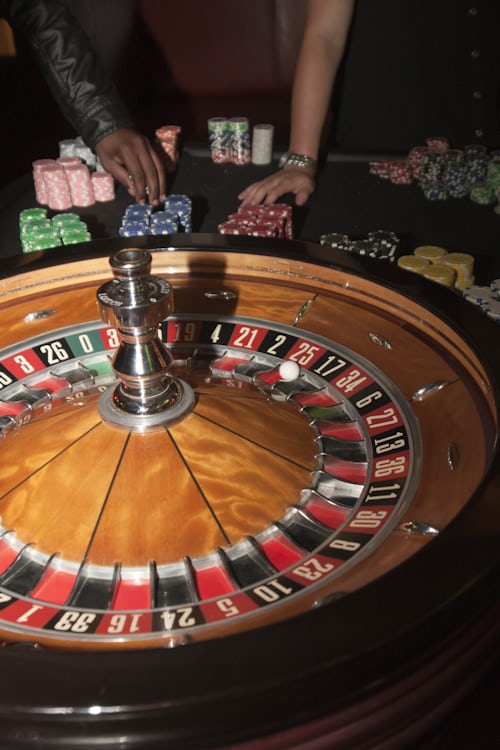
The social environment of casinos further enhances this allure. Many people visit casinos not just for the games but for the communal experience. The energy of a bustling casino, the shared excitement during live games, and the conversations among players contribute to a social validation of gambling. This setting can normalize risk-taking behaviors, making individuals more likely to gamble than they might in solitary environments. Ultimately, this combination of psychological and social factors creates a compelling environment that encourages risk-taking.
The Role of Cognitive Biases
Cognitive biases significantly influence decision-making in gambling. For instance, the “gambler’s fallacy” is a common belief that past results affect future outcomes. Players may think that a slot machine is “due” for a win after a series of losses, leading them to invest more money. This bias distorts their perception of probability, resulting in misguided confidence in their betting strategies. Understanding these biases is crucial for recognizing how they affect gambling behavior.
Another cognitive bias prevalent among gamblers is the “illusion of control.” Players often believe they can influence the outcome of games of chance through skill or strategy, particularly in games like poker or blackjack. This illusion allows individuals to justify their betting behavior, as they feel empowered to make decisions that could lead to success. However, this misguided belief can lead to overconfidence, resulting in increased risks and potentially significant losses.
Furthermore, the “near-miss effect” can reinforce gambling behavior. When players experience outcomes that are close to a win, their brains can interpret these near-misses as a form of success. This can create a false sense of hope and encourage them to continue gambling in pursuit of that elusive victory. These cognitive biases are not just psychological quirks; they play a significant role in the overall gambling experience, often leading players to take risks they might otherwise avoid.
Emotions and Decision Making
Emotional factors also heavily influence gambling behavior. Many individuals gamble to escape from stress or negative emotions. For some, the thrill of a game offers a distraction from daily challenges, providing a temporary reprieve from life’s pressures. The excitement generated by potential wins can elevate mood, offering a sense of hope and joy that many seek. However, this emotional connection can also lead to problematic gambling, as individuals may turn to it as a coping mechanism.
Additionally, the emotional rollercoaster of gambling creates a unique psychological landscape. Winning can lead to feelings of euphoria and confidence, encouraging players to take more significant risks. Conversely, losing can evoke feelings of frustration and despair, pushing individuals to gamble more to chase those highs. This emotional cycle can create a dependency, where the individual feels compelled to continue gambling to experience the highs while avoiding the lows.
It is essential to recognize that gambling behaviors can impact mental health. Over time, the highs and lows of gambling can lead to anxiety, depression, and other psychological issues. Understanding the emotional influences behind gambling is crucial for players who wish to engage responsibly. Acknowledging the reasons behind their gambling habits can empower individuals to seek healthier coping strategies, reducing the likelihood of developing gambling-related problems.
Social and Cultural Influences
The social and cultural context surrounding gambling plays a vital role in influencing individual behaviors. In many cultures, gambling is seen as a form of entertainment and social activity, celebrated in various forms from card games to sports betting. This societal acceptance can encourage individuals to engage in gambling, often without considering the potential risks involved. The normalization of gambling in social settings can lead to increased participation and risk-taking behavior among friends and family members.
Furthermore, advertisements and media portrayals contribute to shaping attitudes towards gambling. Positive representations of gambling can glamorize the lifestyle associated with it, making it more appealing. Casinos often market themselves as destinations for fun and excitement, enticing potential customers with extravagant promises of lavish experiences and substantial winnings. This marketing can create unrealistic expectations that can lead players to take unnecessary risks in pursuit of a glamorous outcome.
The influence of peer pressure cannot be overlooked either. When individuals see friends or family members participating in gambling, they may feel compelled to join in to fit in or be part of the group. This social dynamic can lower inhibitions and lead to impulsive decisions, often resulting in greater risks taken at the casino. Recognizing these social influences is essential for understanding the broader context in which gambling occurs and can help players make more informed choices.
Exploring Magius Casino Canada
Magius casino Canada exemplifies the modern online gambling experience, offering players a vast array of gaming options that cater to various preferences. With over 9,000 titles, including slots, table games, and live dealer options, it provides an immersive environment where players can indulge their gambling interests. The platform’s commitment to security and customer support enhances player confidence, ensuring a safe gaming experience.
New players are particularly attracted by Magius casino’s generous welcome bonus, which offers a 100% match up to $750 and 200 free spins. This enticing offer encourages newcomers to explore the extensive game library without the pressure of significant financial commitment. Additionally, the site’s seamless navigation on both mobile and desktop devices ensures that players can enjoy their favorite games anytime, anywhere, making it accessible for everyone.
Ultimately, Magius casino represents more than just a gambling platform; it embodies the psychological factors that drive individuals to take risks at casinos. By combining an engaging gaming experience with the understanding of player psychology, Magius creates an environment where players can both enjoy and reflect on their gambling behaviors. As awareness of the psychological aspects of gambling grows, platforms like Magius continue to play a crucial role in fostering responsible gaming practices while providing entertainment and excitement.
Post a Comment
You must be logged in to post a comment.