


Understanding the psychology behind casino gaming What drives player behavior
The Allure of Casino Environments
The ambiance of a casino plays a crucial role in shaping player behavior. The vibrant lights, captivating sounds, and strategic layout are meticulously designed to create an immersive experience. When players enter a casino, they are enveloped in an environment that stimulates their senses and fosters excitement. This psychological stimulation can trigger a sense of euphoria, making players more likely to engage in gameplay. Many players, especially those seeking to explore options like best online casino real money, find themselves drawn to this setting.
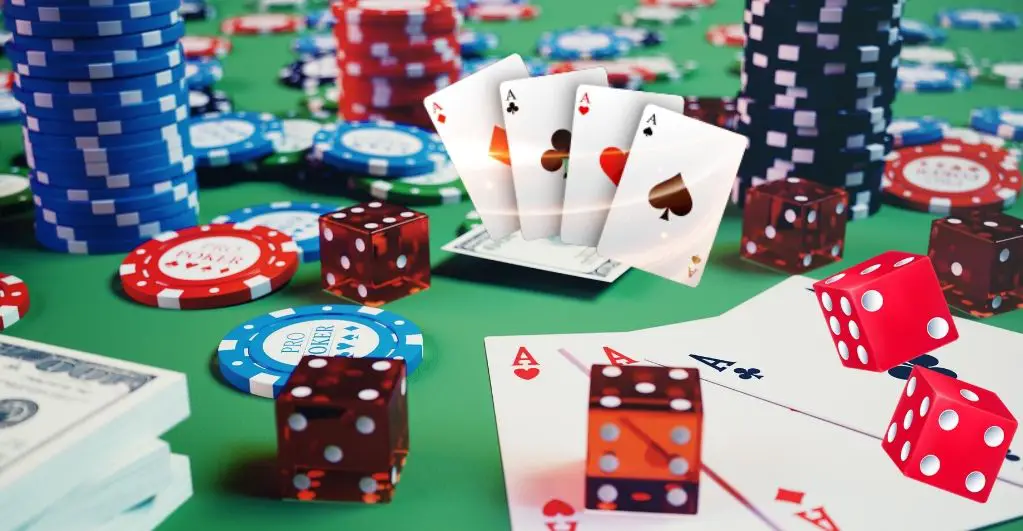
Furthermore, casinos often utilize colors and sounds that evoke specific emotions. For instance, the sound of coins cascading or the flashing lights of a winning slot machine can create a dopamine rush, which reinforces the desire to continue playing. Understanding how these environmental factors influence player behavior helps to explain why many individuals feel compelled to return to casinos.
The Role of Risk and Reward
The intrinsic appeal of gambling lies in the balance between risk and reward. Players are often drawn to the thrill of uncertainty—the anticipation that a big win could be just one spin or hand away. This unpredictability is a key factor in player engagement, as it fosters a sense of hope and excitement that can be addictive. The psychological phenomenon known as “loss aversion” also plays a role, where the fear of losing becomes more significant than the potential joy of winning. Exploring this delicate balance can be enlightening for both casual and serious gamblers.
Moreover, the reward system in casino gaming taps into basic human psychology. Big jackpots, bonus rounds, and progressive payouts create a feedback loop that encourages continued play. Every win—no matter how small—reinforces the behavior, making it difficult for players to walk away. This cycle of risk and reward is central to understanding why many individuals get drawn into the world of gambling.
The Social Influences on Player Behavior
Social dynamics significantly impact player behavior in casinos. Many people who gamble do so within a social context, often viewing it as a form of entertainment to share with friends or family. The communal experience of cheering for a friend’s winning hand or sharing in the excitement of a jackpot can enhance the overall enjoyment of gaming. This social aspect can lead to increased playtime as individuals are motivated to keep the good times rolling with their peers.
Additionally, the influence of social norms and peer pressure cannot be overlooked. Players may feel encouraged to take risks or increase their bets based on the behaviors of those around them. This social interplay can lead to reckless decisions, as the collective atmosphere can overshadow individual judgment. Recognizing the impact of social influences can provide valuable insights into why certain individuals exhibit compulsive gambling behaviors.
Cognitive Biases and Gambling
Cognitive biases are inherent mental shortcuts that can distort our perceptions and decision-making processes. In the context of gambling, several cognitive biases, such as the “gambler’s fallacy,” affect how players view their chances of winning. For example, a player might believe that after a series of losses, a win is “due,” leading them to gamble more aggressively. This flawed logic can result in significant financial losses, as it obscures the reality of independent probability.
Additionally, the illusion of control is another cognitive bias prevalent among gamblers. Players often believe they can influence the outcome of games based on their actions, even in games of pure chance. This misguided confidence can lead to increased betting and extended play, further entrenching the gambler in a cycle of behavior that prioritizes the excitement of the game over rational decision-making.
